Understanding Initial Inventory Costs for Private Label Cosmetics
Starting a private label cosmetics business requires careful financial planning, particularly when it comes to initial inventory costs. These costs can vary widely based on several factors, including the type of products you want to offer, the suppliers you choose, and the branding strategies you employ.
Calculating Minimum Order Quantities
One of the first things to consider in your startup cost breakdown is the minimum order quantity (MOQ) required by suppliers. MOQs can range from as low as 50 units to over 1,000 units depending on the manufacturer and the type of product. For instance, a small-scale supplier might allow you to order 100 units of a basic lip balm, while a more established manufacturer might require an MOQ of 500 units for skincare creams. To calculate your initial inventory costs based on MOQ, use the following formula:
Initial Inventory Cost = MOQ × Cost per Unit
For example, if your chosen supplier charges $5 per unit for a skincare product and the MOQ is 300 units, your initial inventory cost would be:
Initial Inventory Cost = 300 × $5 = $1,500
Choosing the Right Suppliers
Selecting the right supplier is crucial in managing your startup costs effectively. Suppliers can differ greatly in terms of pricing, quality, and production capabilities. When evaluating suppliers, consider factors such as:
- Pricing: Compare quotes from multiple suppliers to find the best rates.
- Quality: Request samples to ensure the product meets your standards.
- Production Capacity: Ensure the supplier can meet your demand as your business grows.
- Location: Domestic suppliers may offer faster shipping times, while international suppliers may have lower unit costs.
A good supplier relationship can help you negotiate better terms and possibly lower your initial investment.
Estimating Product Varieties and SKUs
When starting a private label cosmetics line, deciding how many product varieties and SKUs (Stock Keeping Units) to offer initially is essential. Each product variant—such as different shades of lipstick or different scents of lotion—will require separate inventory calculations. If you plan to launch with three different product lines (e.g., skincare, makeup, and hair care) and each line contains five variations, you would need to assess the MOQ for each SKU. For example: - Skincare line: 300 units - Makeup line: 400 units - Hair care line: 250 units This would lead to a total MOQ of:
Total MOQ = 300 + 400 + 250 = 950 units
If the average cost per unit is $5, your total initial inventory cost would be:
Total Initial Inventory Cost = 950 × $5 = $4,750
Packaging and Branding Expenses in Private Label Cosmetics
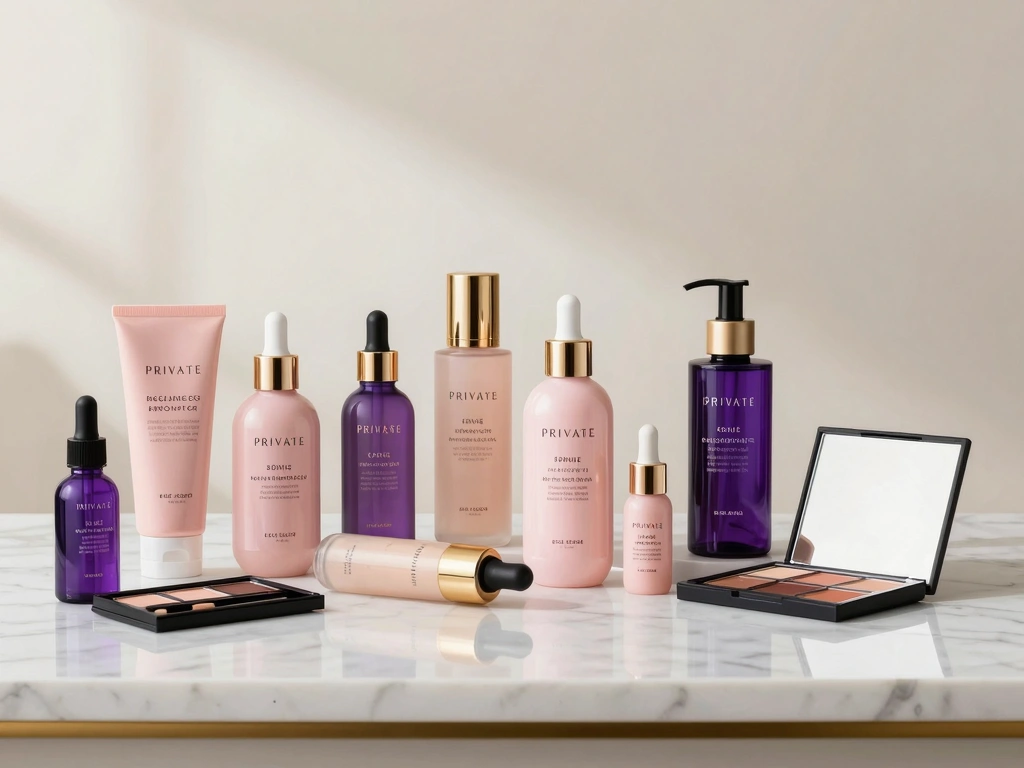
Once you've established your initial inventory, the next major expense will be packaging and branding. This is a critical investment because the packaging significantly influences consumer purchase decisions.
Designing Custom Packaging
Custom packaging can be a substantial part of your budget. Costs for designing packaging can vary based on the complexity of the design and materials used. Simple designs might cost around $1 per unit, while premium packaging could range from $2 to $5 per unit. For instance, if you decide to invest in premium packaging for 500 units of a skincare product, your total packaging cost would be:
Packaging Cost = 500 × $3 = $1,500
Moreover, additional costs may arise from creating prototypes or mock-ups, which can range from $300 to $1,000 depending on the design complexity.
Labeling Regulations and Compliance Costs
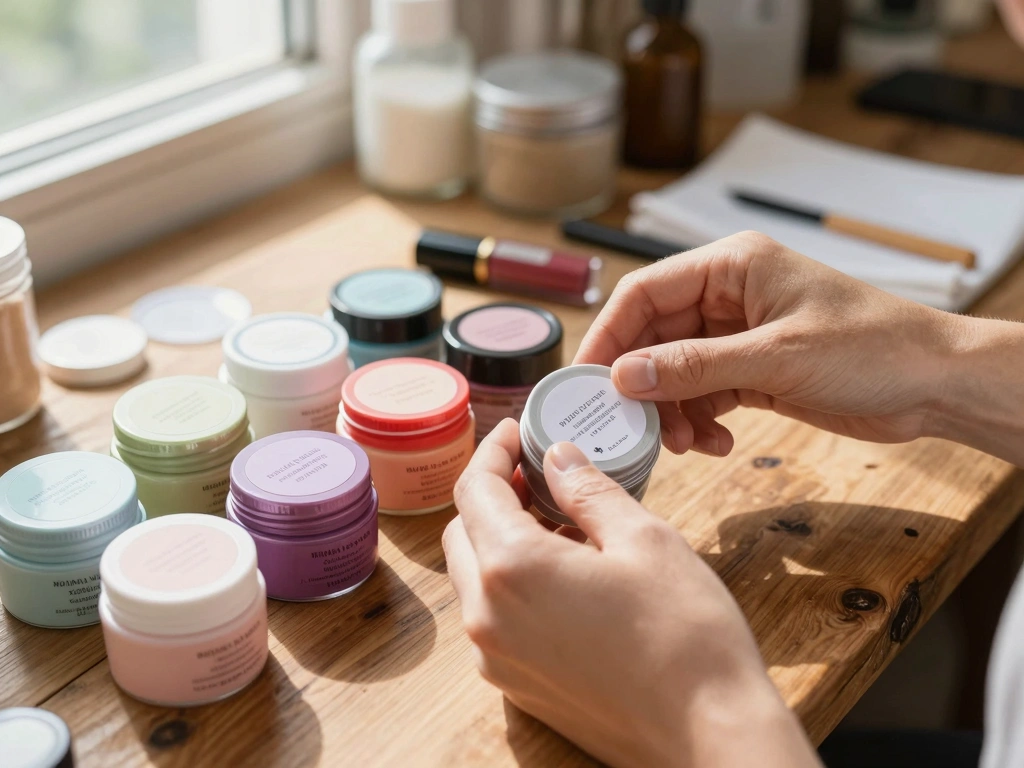
When launching a cosmetics line, adhering to labeling regulations is mandatory. Each product must have labels that comply with FDA guidelines, which may include ingredient listings, use instructions, and warnings. The cost of designing compliant labels can vary based on whether you hire a professional graphic designer or utilize software tools. Hiring a designer might cost you anywhere from $500 to $2,000. Additionally, if you need to conduct a compliance review, expect to spend another $300 to $1,000.
Brand Identity Development Costs
Developing a strong brand identity is crucial in the cosmetics industry. This includes creating a logo, color scheme, and overall aesthetic that resonates with your target audience. Depending on the branding agency or freelance designer you choose, costs can range from $1,000 to over $10,000. For a moderate budget, consider allocating around $3,000 for brand identity development, which includes:
- Logo Design: $1,000
- Color Palette Development: $500
- Brand Guidelines Document: $1,500
Marketing and Promotion Budgets for New Cosmetic Lines
Once your products are ready, marketing them effectively is essential for success. A well-structured marketing budget can significantly impact your sales outcomes.
Digital Marketing Strategies and Costs
Digital marketing is a primary avenue for promoting private label cosmetics. Key strategies include social media advertising, search engine optimization (SEO), and pay-per-click (PPC) campaigns. For instance, a comprehensive digital marketing campaign might involve:
- Social Media Ads: $500 to $2,000 per month
- SEO Services: $1,000 to $5,000 for initial optimization
- PPC Campaigns: $300 to $1,500 per month
A reasonable estimate for a starting campaign could be around $2,500 for the first month, enabling you to test various channels and see what works best.
Influencer Partnerships and Collaborations
Influencer marketing is particularly effective in the cosmetics industry. Partnering with influencers can help increase brand visibility and credibility. Costs for influencer partnerships can vary widely based on the influencer's reach and engagement rates. For micro-influencers (10,000 to 100,000 followers), you might pay between $100 and $1,000 per post. For more prominent influencers, prices can soar to $10,000 or more. Assuming you decide to work with a few micro-influencers, budgeting around $2,000 for collaborations can yield positive results in terms of brand awareness and initial sales.
Cost of Launch Events and Promotions
Hosting a launch event can create buzz around your new product line. Costs for a small event can range from $1,000 to $5,000, depending on the venue, catering, and promotional materials. For example, if you choose to host a launch party for $3,000, consider including:
- Venue Rental: $1,500
- Catering: $1,000
- Promotional Materials: $500
This investment can lead to significant media coverage and social media engagement, boosting your brand's visibility.
Operational Costs Associated with Running a Private Label Cosmetics Business
Beyond inventory and marketing, operational costs are a significant aspect of running your private label cosmetics business.
Website Development and E-commerce Platform Fees
An e-commerce website is essential for selling your products online. The cost of developing a website can vary significantly based on the platform you choose (Shopify, WooCommerce, etc.) and whether you hire a professional developer. Expect to budget anywhere from $2,000 to $10,000 for website development. Additionally, you’ll incur monthly fees for hosting and e-commerce platform subscriptions, typically around $30 to $300 per month depending on the features you need.
Shipping and Fulfillment Expenses
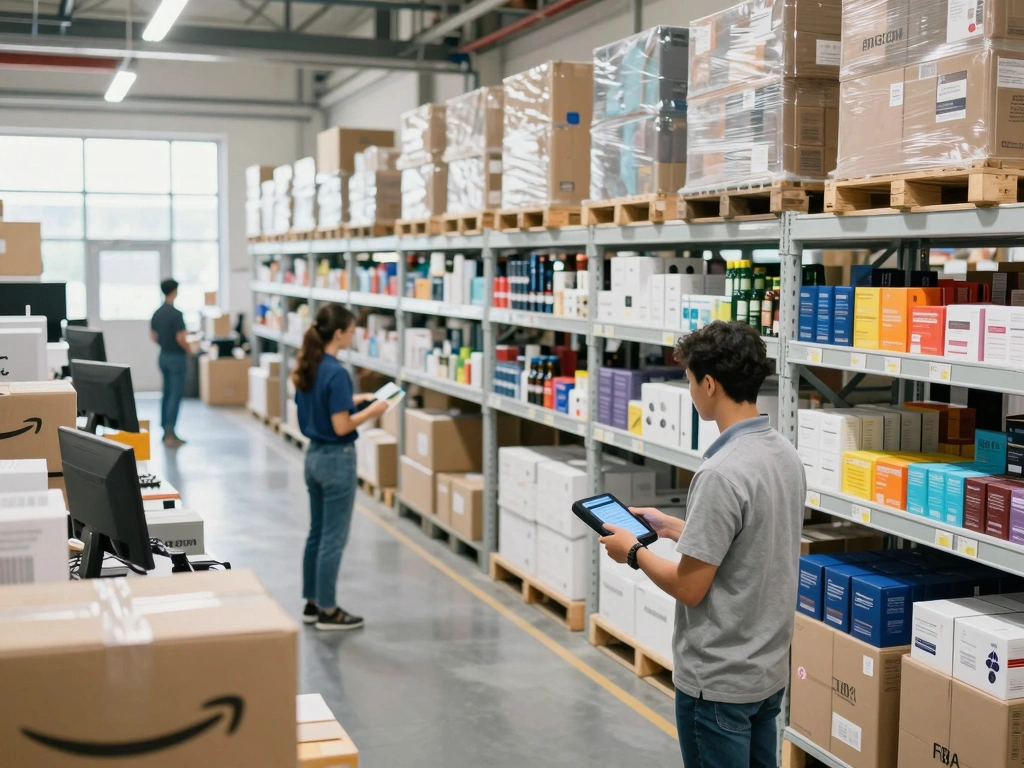
Shipping and fulfillment are critical operational costs. Depending on your order volume and shipping methods, costs can add up quickly. For instance, standard shipping may cost approximately $5 to $10 per order, while expedited shipping will be higher. If you anticipate 200 orders in your first month, and the average shipping cost is $7, your total shipping expense would be:
Shipping Cost = 200 × $7 = $1,400
In addition, consider fulfillment expenses if you choose to use a third-party logistics (3PL) provider, which typically charges a fee per order processed.
Customer Service and Support Costs
Providing excellent customer service is vital for customer retention. Depending on your business scale, you may need to hire staff or invest in customer service software. For a small operation, budget around $500 to $1,500 monthly for customer service solutions, which may include:
- Staff Salaries: $1,000/month for one part-time customer service representative
- Software Subscription: $100/month for customer support tools (e.g., Zendesk, Freshdesk)
Regulatory and Compliance Costs in the Cosmetic Industry
Navigating the regulatory landscape is crucial for cosmetics businesses. Compliance costs should not be overlooked in your startup budget.
Understanding FDA Regulations for Cosmetics
The FDA regulates cosmetics to ensure they are safe for use. Familiarizing yourself with these regulations is essential, and this often requires legal consultation. Legal fees can range from $500 to $5,000 depending on the complexity of your product line.
Testing and Safety Compliance Expenses
Before launching your products, they must undergo safety testing to comply with regulations. Testing costs can vary based on the type of products and the tests required, ranging from $1,000 to $5,000. For example, a basic safety assessment for a skincare product might cost around $1,500, while more comprehensive testing for a line of color cosmetics could exceed $3,000.
Insurance and Liability Considerations
Lastly, investing in liability insurance is crucial to protect your business from potential lawsuits. Insurance costs can range from $500 to $2,000 annually, depending on your coverage limits and the size of your operation. In summary, understanding and planning for the various costs involved in starting a private label cosmetics business is critical for long-term success. By thoroughly assessing initial inventory costs, packaging and branding expenses, marketing budgets, operational costs, and regulatory compliance fees, you can create a comprehensive financial plan that sets the foundation for a successful venture in the cosmetics market.